

What the Workshop Model Gets Right
And 5 ways to find your literary pod in 2026 (that don't involve an MFA).

“Nickel?” my professor called out as he took attendance during the first workshop of my MFA, his brows furrowed.
“It’s Nicholl, ” I said, raising my hand in the air. (My mom was a creative writer, too, I’d later reply when the spelling of my name came into question.)
This certainly wasn’t how I envisioned my entry into grad school, though it feels true to the way variables compound whenever you gather a group of people together—and the unpredictability that creates in workshops. Whether you anticipate it or not, there will be sessions when the open floor wanders far into unintended territory, when a single tangent becomes the sole focus of a critique, or when judgement for unlikeable characters creeps in (writers are humans, too). But when a workshop is really working this unpredictability alchemizes into something truly inspiring, like a poignant suggestion that reveals possibilities the writer hadn’t considered. It separates personal preferences from the aims of the writing and asks: How can this piece become its most successful? Which is another way of asking: What does success look like for this piece?
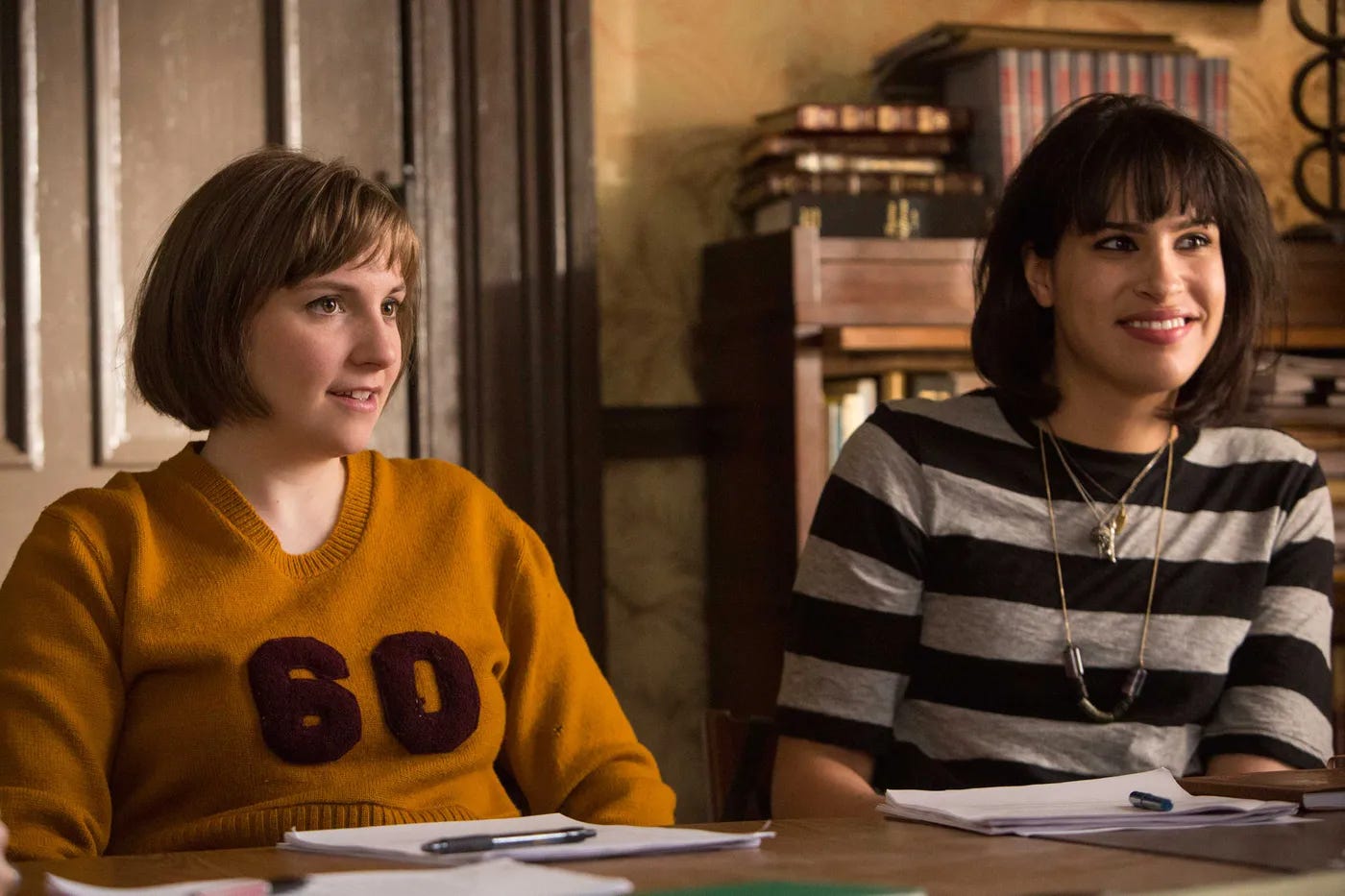
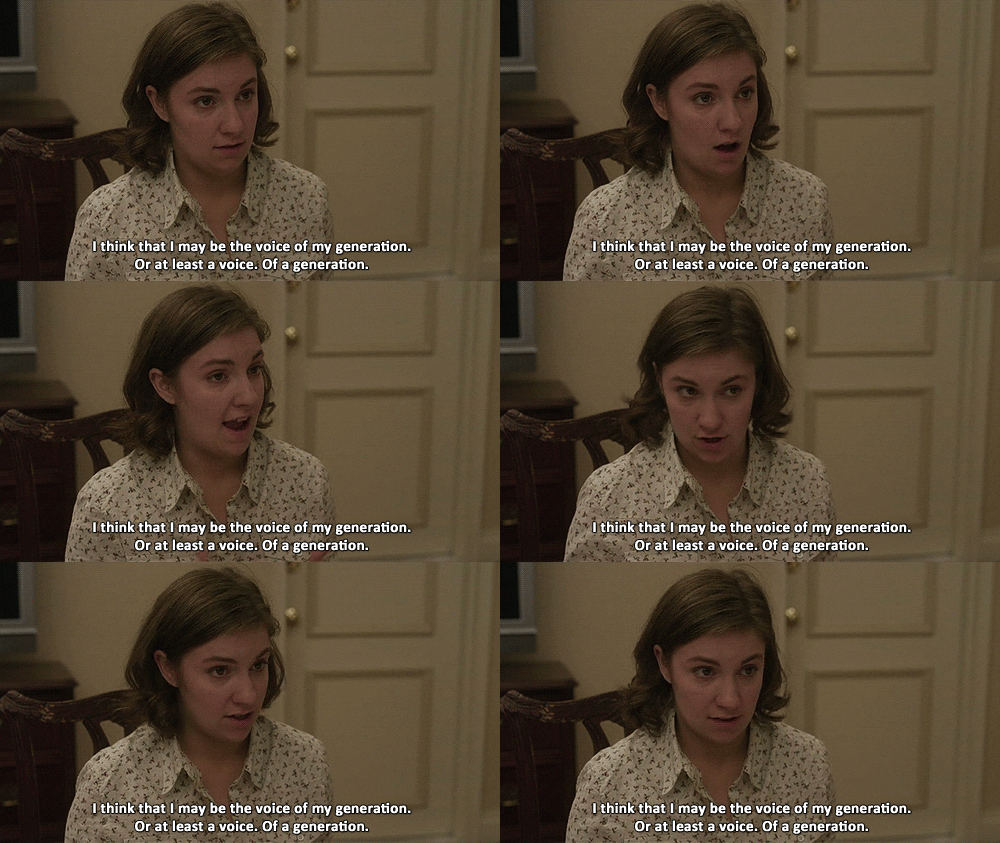
If you haven’t participated in a workshop in person, it’s possible you’ve seen a made-for-tv rendering of one (like the screenshot below from Girls, set in the infamous Iowa Writers’ Workshop), or stumbled upon Dana Schwartz’s viral @GuyInYourMFA Twitter account. While those dramatizations track, and the word workshop has been known to send a shiver down many writers’ spines, I’d rather sidestep its clichés—and the necessity of its silent-author structure—and highlight everything we gain from this long-standing practice, from the clarifying pressure of deadlines to learning how to metabolize feedback in ways that honor your voice. And, of course, all you can glean from the work of your peers.
But there is one skill in particular that workshops foster—which is perhaps not discussed enough—that I find the most invaluable of all: emotional distance. Learning how to view your work as a reader requires the kind of objectivity and critical eye that workshops, with their many voices and perspectives, help calibrate. It is both a tool and a superpower, and it is essential to the success of any piece. Ironically, being able to assess your work at a distance is also crucial to the development of your own editorial impulses. It’s then, as you scrutinize your writing like a stranger would, that your gut will constrict as you attempt an unwanted cut, or a voice will chime in to tell you the ending (still) doesn’t land. Those instincts will strengthen and sharpen in the workshop environment, building a bridge between you the writer and you the reader—between your words and the outside world.
For a few years post-MFA, I was without the sounding board of a workshop, though I knew I could have benefitted from one. It was a fact that waned into stark relief when I formed a workshop in 2024 with nonfiction writers I met at the Sewanee Writers Conference, plus one forever pal from grad school (Hey, Kinzy!). As we gear up for our first meeting of 2026, I’m proud to say that we’ve met just about every other month for over a year now, alternating delivery among our six participants (three people turn in for one meeting, and three the next)—and I can’t overstate how much it’s added to my writing life. This consistent schedule helped structure the revisions of my memoir-in-essays ahead of querying agents, but it also kept me connected to the craft, and community, in ways I was deeply craving. It doesn’t hurt that our little crew is full of talent and range.
If you’ve been searching for an outlet for trading work and peers to team up with—without going the MFA-route—here are a few options to explore. You never know where the unexpected might lead…
5 Ways to Find Your Literary Pod
Joining Online Communities, like The Morning Writers Club
Chelsea Hodson’s online writing community includes daily meet-ups via Zoom and weekly check-ins to discuss your week in writing, plus generative workshops, and Q&As with publishing pros.
Attending Local Writing Classes, like Crit
Available in Brooklyn and online, Crit is an eight-week class comprised of workshops, written feedback, mentoring and seminars led by Tony Tulathimutte. Learning is guaranteed, but you may also leave with writing friends for life (just like the hosts of the Limousine reading series and podcast).
Participating in a Well-Loved Write-a-Thon
Jami Attenberg is the internet’s unofficial writing coach and cheerleader. If you’re not familiar with her annual 1,000 Words of Summer challenge, or the mini challenges she hosts throughout the year, her Substack is a great place to start. Though these challenges are carried out independently, they generate significant community building and buzz online, which means even more opportunities to find your people.
Committing to a Craft Intensive (with Energetic Perks)
If meditation and neuroplasticity are your thing, might I recommend The Fountain? Founded by Chelsea Bieker and Kimberly King Parsons, this proprietary program combines the writers’ teaching experience with a neuroscience-based approach to help you release creative blocks and build a sustainable, easeful practice. From seasonal intensives to self-paced courses, there’s something for every path you’re on.
Sliding Into Ye Olde DMs
Email would be even better, if you can find it. But it doesn’t hurt to reach out to writers at a similar stage of their careers to see if they’re searching for creative collaborators (or if they have a workshop you can join). Bonus points if they’re local and you can host meetings IRL.
In recent years, I’ve preferred a structured format for workshop critiques, which makes space for each writer to share context before the conversation begins, and trains the dialogue around the writer’s intended aims. If you’re curious about the structure my workshop follows (which we adopted from our class at Sewanee), or any tips for your own future writing groups, comment below and I’ll include that in an upcoming letter.
Until then, I hope you’re finding ways to keep working, however and whenever you can.
Xo,
Nicholl